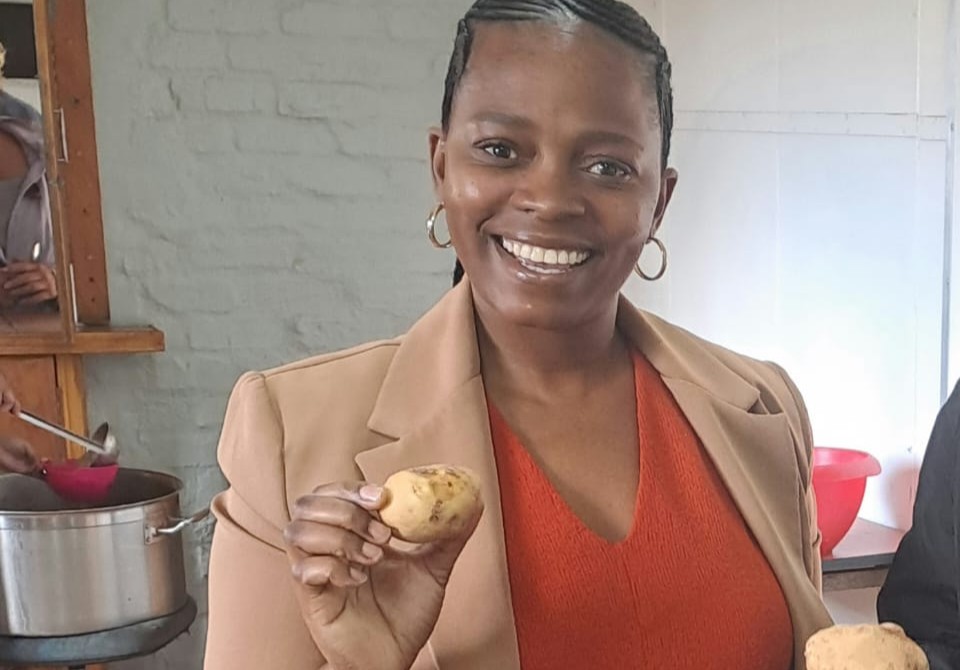
Neliswa Nomjana, a Social Worker from Ceres, is one of 60 beneficiaries of a local Food Garden Project, a growing, community-driven initiative that is improving access to fresh and nutritious food, while strengthening resilience and promoting self-reliance in communities facing high unemployment.
Through her work at Haven Night Shelter, she is applying the knowledge and support gained from the programme to contribute towards daily meals and restore a sense of purpose among those she works with.
“This community is struggling with a high rate of unemployment. Food gardening saves the community from high rates of poverty. The government will not be able to provide enough for everybody, but we as the community can create our own food,” said Neliswa.
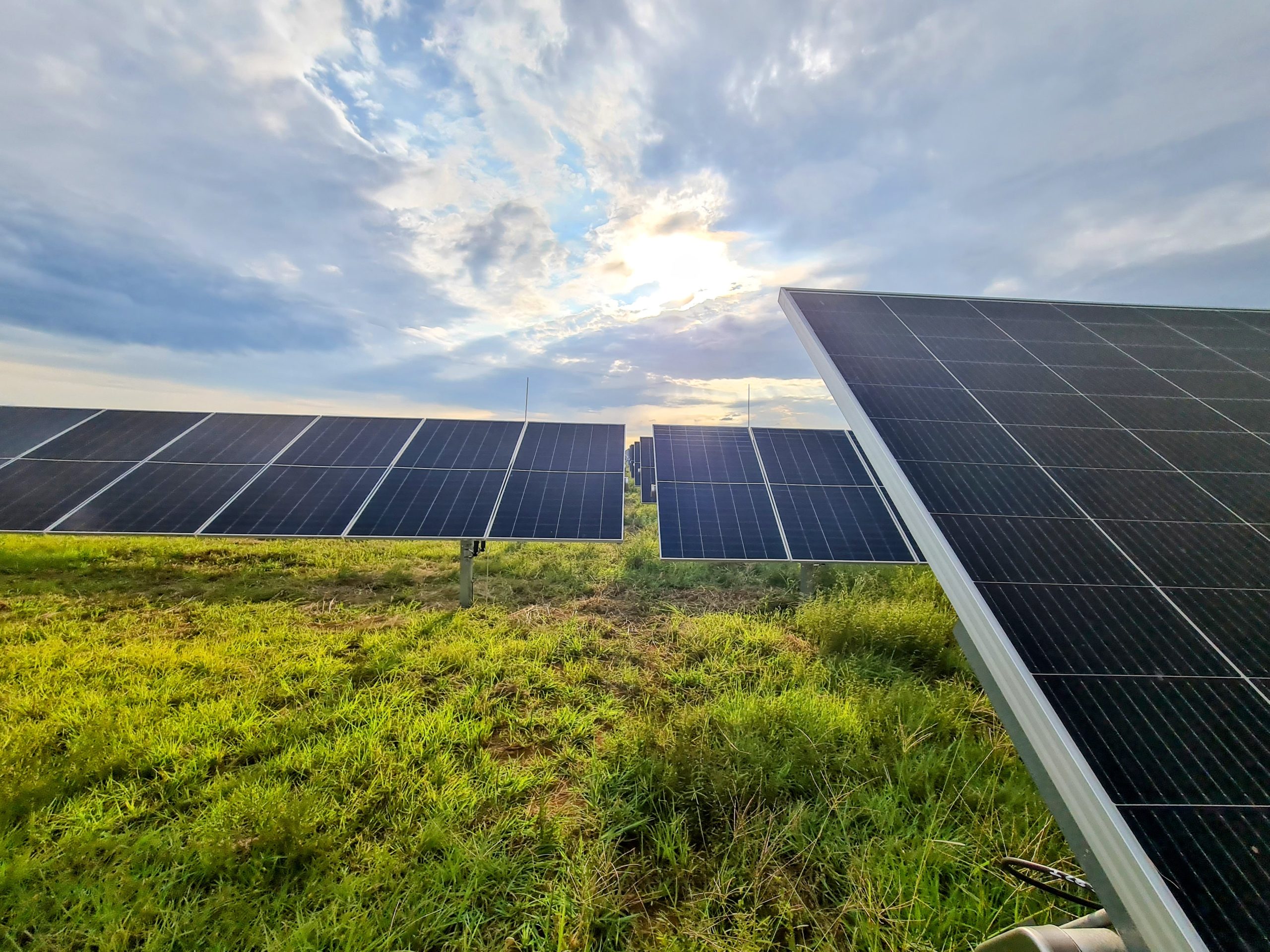
Funded by Perdekraal East Wind Farm, the initiative started out during the Covid-19 pandemic and has expanded from just 20 gardens to more than 90 food gardens across four communities in the Witzenberg area, feeding hundreds of families.
Originally from eMthata in the Eastern Cape, Nellisa grew up in a rural environment where food gardening was a way of life.
“We depended on food gardening. My parents used what we grew to prepare meals and sustain the household,” she said.
When Nellisa joined the shelter, she noticed that the existing garden was not being actively maintained. Working closely with unemployed clients, she saw an opportunity to revive the space, not only to support the shelter’s food supply, but also to equip people with a valuable, life-changing skill.
“The clients who work in the garden find meaning and learn about food gardening. Some were never exposed to gardening before. It also helps a great deal during harvest, when we can contribute fresh produce towards meals in the shelter,” explained Neliswa.
Through the programme, participants receive training on land preparation, plant care, and pest prevention, along with resources such as seedlings, manure, and tools. Ongoing mentorship from agricultural facilitators ensures that gardens are sustained and continue to thrive.
For Neliswa and the shelter community, harvest time remains the most rewarding. “When we get to share the products of our hands with the rest of the shelter community, it is most fulfilling,” she says.
Looking ahead, Neliswa hopes to expand the garden by growing more vegetables such as potatoes, carrots, pumpkins, green peppers, and beans, while also creating opportunities to train more people, young and old, in food gardening.